The Line You Don't See Until You've Already Crossed It: Recognising When Gambling Stops Being Casual
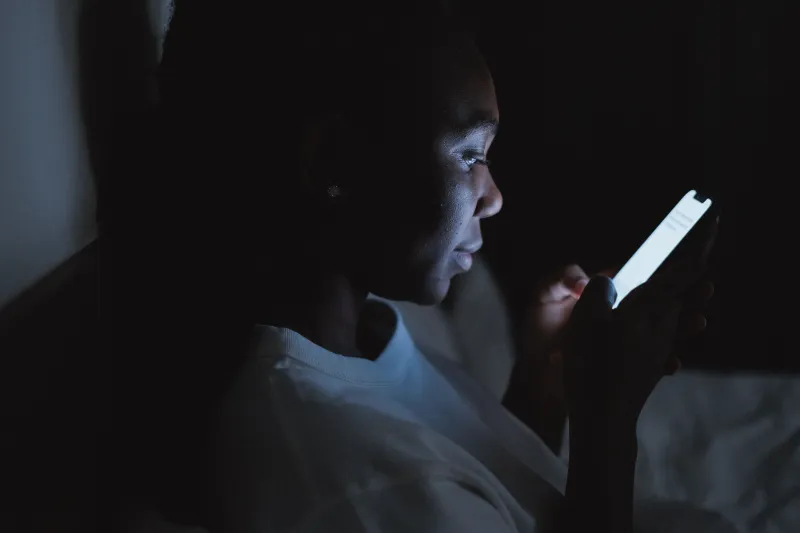
Photo: person looking thoughtfully at phone screen alone at home night, via images.pexels.com
Nobody sits down for their first session thinking: this is going to become a problem. That's not how it works. The shift from casual player to someone who's genuinely struggling is almost never a single dramatic moment — it's a slow drift, a gradual recalibration of what's normal, until one day something brings it sharply into focus.
This article isn't here to lecture you. It's not a list of reasons why gambling is bad, or a warning that every spin is a step toward ruin. Most people who play at HellSpin — most people who gamble anywhere — do so without it becoming a serious issue. But for a meaningful minority, the drift happens. And the earlier you can spot the signs, the easier it is to course-correct before the cost gets genuinely serious.
Why It's Hard to See From the Inside
One of the most disorienting things about problem gambling is how rational it feels from inside the experience. Unlike some other harmful patterns, gambling doesn't impair your cognition in the moment. You're fully conscious, making choices, telling yourself a coherent story about what you're doing and why.
That story is usually pretty convincing. I'm just chasing back what I lost. I've had a rough week, I deserve a bit of fun. I'll stop after this session. These aren't delusions — they're the same thoughts most recreational players have. The difference is in the frequency, the stakes attached to them, and whether they're actually followed through.
The brain is also remarkably good at normalising gradual change. If your average session budget crept from $50 to $200 over eighteen months, you probably didn't notice each individual step. The new normal just became normal.
Financial Warning Signs
Money is often where the clearest signals appear, even if they're easy to rationalise away.
You're playing with money that was earmarked for something else. Rent, groceries, bills — if gambling funds are competing with non-discretionary expenses, that's a significant flag. It's different from spending a bit of your entertainment budget. It's a sign that gambling has moved up the priority hierarchy in a way that's genuinely unsustainable.
You're borrowing to play, or hiding spending. Whether it's a cash advance, borrowing from a mate, or moving money in ways you'd rather a partner didn't notice — secrecy and debt are two of the clearest markers of a problem crossing from recreational to harmful.
You're chasing losses as a financial strategy. There's a difference between the emotional urge to win back a bad session (most players feel this) and genuinely believing that more play is a reasonable path to recovering what you've lost. The latter is a cognitive distortion that tends to accelerate losses rather than recover them.
Mark, a 51-year-old from Melbourne who recognised his own pattern after about eighteen months of escalating online play, described it bluntly: "I'd tell myself I was one good session away from being square. There was always going to be one more good session. There wasn't."
Emotional and Behavioural Triggers
Financial signs are often the most visible, but emotional patterns frequently appear earlier — if you know what to look for.
Gambling to regulate your mood. Using a session to decompress after a hard day isn't inherently a problem. But when it becomes your primary coping mechanism — when you can't imagine managing stress, boredom, or sadness without it — that dependency is worth examining honestly.
Irritability when you can't play. If plans that prevent you from gaming trigger genuine frustration or anxiety, that's your brain telling you it's become more than entertainment.
The joy draining out of it. This one catches a lot of people off guard. Problem gambling doesn't always look like someone having a great time and not knowing when to stop. Often it looks like someone who isn't really enjoying it anymore but can't seem to stop anyway. If sessions feel compulsive rather than fun, that shift in motivation matters.
Social Withdrawal Patterns
Gambling is a solitary activity in its online form, which makes it easy to let it quietly crowd out other things.
Jess, a 33-year-old from Perth, described how her pattern emerged: "I started turning down plans because I'd rather be home. At first I told myself I was just tired. After a while I realised I was turning things down specifically so I could play. That was confronting."
If you're regularly choosing sessions over social commitments, or if the people close to you have started asking questions about where your time and money are going, those external observations are worth taking seriously. The people around you often see the pattern before you do.
A Simple Self-Assessment
You don't need a clinical tool to take an honest look at where you're at. A few direct questions:
- Have I played with money I couldn't afford to lose in the last month?
- Have I lied to someone — or avoided a conversation — about how much I've spent or how often I've played?
- Do I feel anxious or irritable when I can't play?
- Am I playing more to escape something than to enjoy it?
- Has someone close to me expressed concern about my gambling?
If you answered yes to two or more of those, it's worth having an honest conversation with yourself — and potentially with someone else.
Where to Go From Here
Recognising the pattern is the hardest part. Once you've seen it clearly, options open up. HellSpin offers responsible gambling tools including deposit limits, cooling-off periods, and self-exclusion — all accessible through your account settings. These aren't admissions of failure; they're tools that smart players use to stay in control.
For more substantial support, the Gambling Help Online service (gamblinghelponline.org.au) offers free, confidential support 24/7. Lifeline (13 11 14) is also available if things feel overwhelming.
The goal isn't to scare you off playing. It's to make sure that when you play, it's genuinely your choice — and genuinely enjoyable. That's the version of this that's worth having.